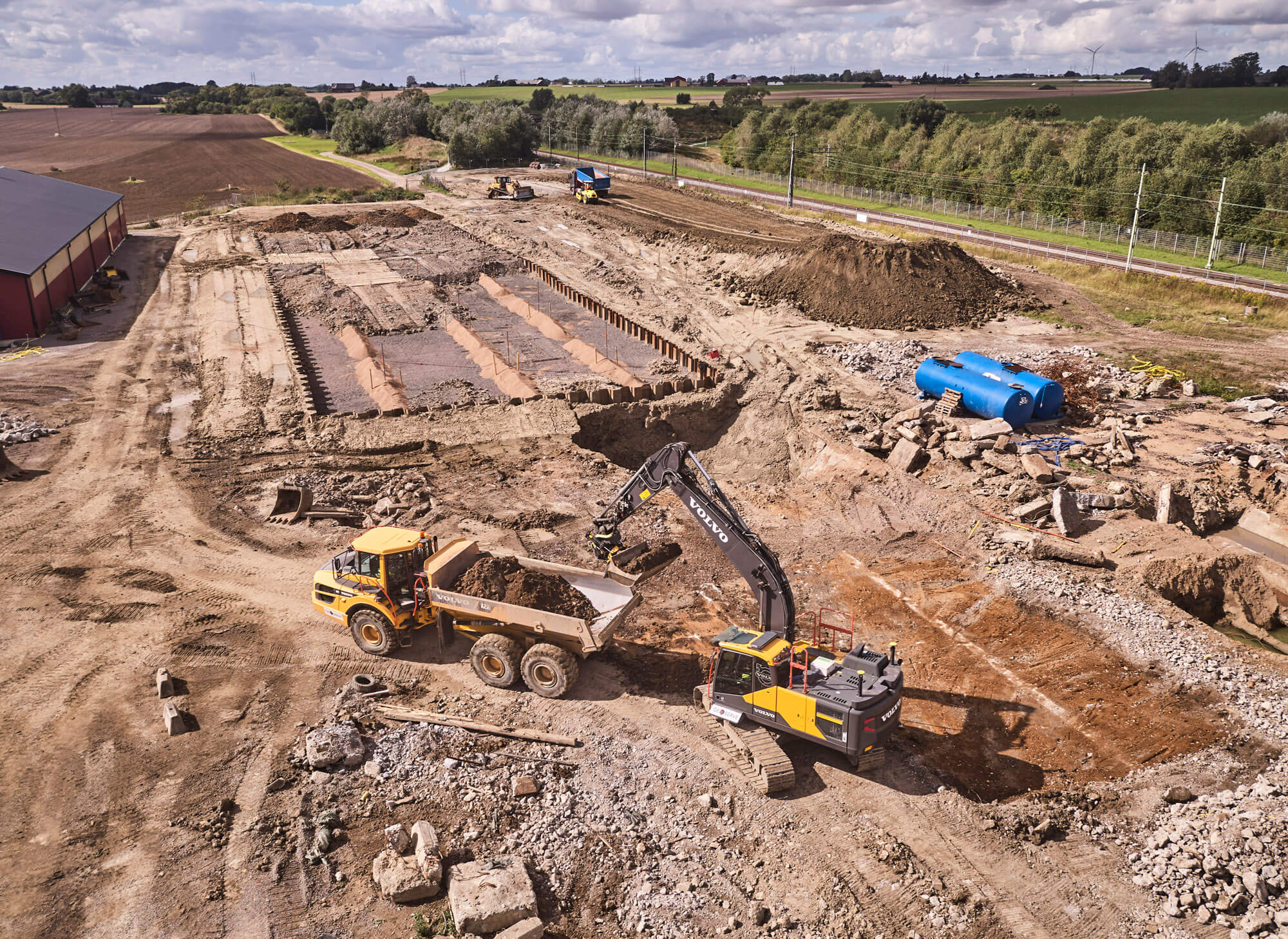
How geotechnical decisions can reduce both climate impact and costs: a new guide to sustainable geotechnical engineering
How Can Geotechnical Decisions Reduce Both Climate Impact and Costs?
Many of the decisions that have the greatest impact on the carbon footprint of a construction or infrastructure project are made long before construction begins. Yet there is often a lack of methods for balancing environmental impact, economic considerations and technical requirements when selecting geotechnical solutions.
At Tyréns, we have therefore explored how Life Cycle Assessment (LCA) and Life Cycle Cost Analysis (LCCA) can be used as practical tools to support better decision-making in geotechnical engineering. The results demonstrate significant opportunities to reduce both climate impact and costs by integrating a life cycle perspective from the earliest stages of a project.
From Technical Choice to Strategic Decision
Geotechnical engineering is about far more than ground conditions. The choice of foundation method, ground improvement measures or mass handling strategy influences resource use, transportation, material consumption and future maintenance throughout the entire lifespan of an asset.
By complementing traditional technical assessments with LCA and LCCA, it becomes possible to identify impacts that might otherwise go unnoticed. This creates a stronger basis for decision making for project owners, designers and contractors seeking to combine technical performance with long term sustainability.
Four Projects, New Insights
To test the methods in practice, analyses were carried out across four projects. Alternative geotechnical solutions were compared from both environmental and economic perspectives throughout their life cycle.
The findings show that a life cycle perspective does more than help projects identify more sustainable solutions. It also provides a more structured approach to managing uncertainty, comparing alternatives and making decisions that deliver value over the long term.
The Greatest Potential Lies in the Early Stages
One of the project's most important conclusions is that the greatest opportunities to influence both climate impact and economic outcomes exist before solutions have been locked in.
When multiple alternatives are explored in parallel and life cycle thinking is integrated early, the likelihood of identifying solutions that combine low environmental impact, sound economics and high technical quality increases significantly.
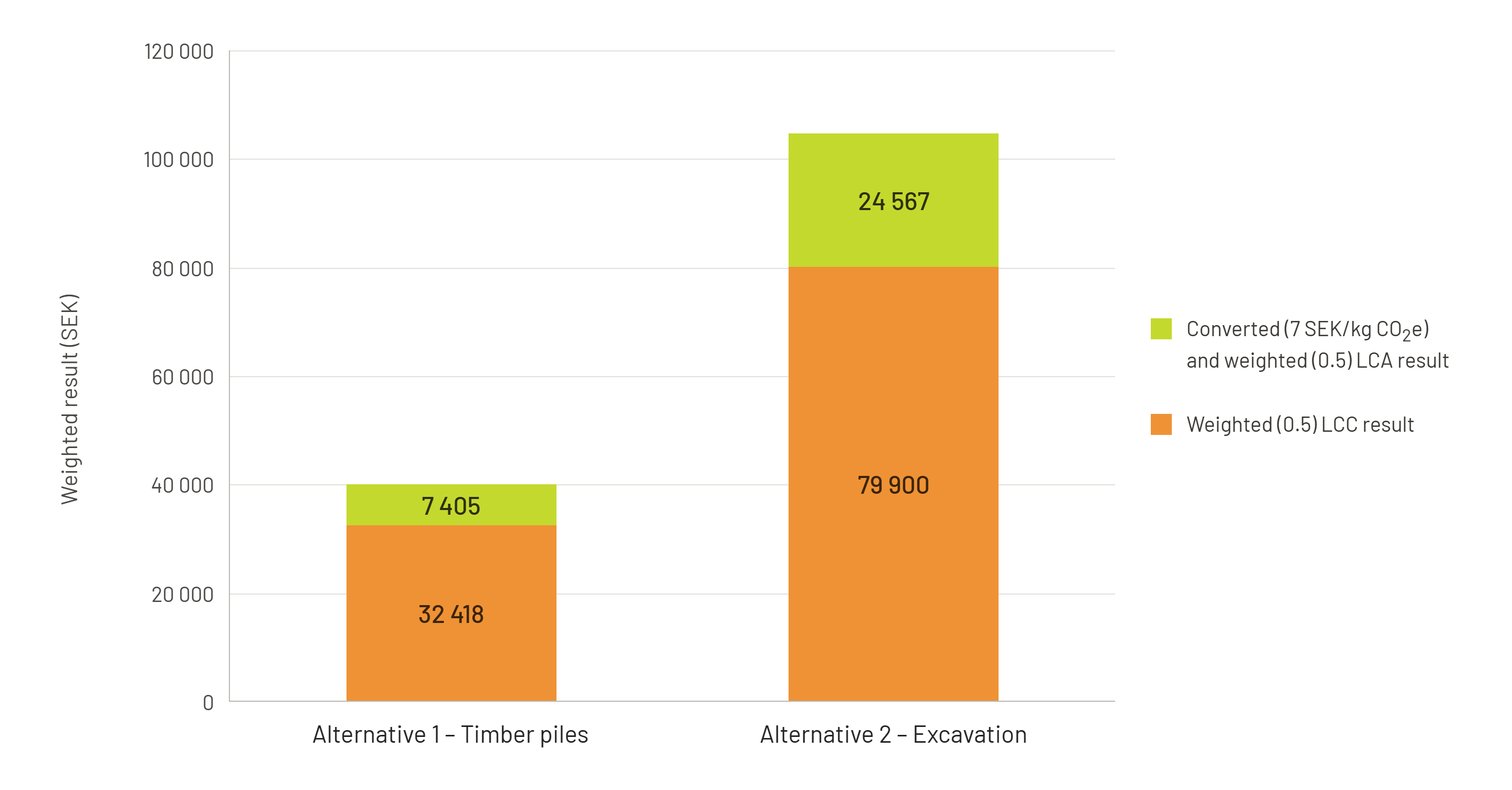
For project owners, this means better decision support. For designers, it creates greater opportunities to optimise solutions. For society, it contributes to more resource efficient construction.
A Practical Guide for the Future of Geotechnical Engineering
As part of the project, Tyréns has developed a guide to climate conscious and cost conscious geotechnical engineering. Its purpose is to translate research into practice and support sustainability driven decision making throughout the geotechnical process.
The guide helps project teams ask the right questions at the right time and identify the decisions that have the greatest impact from both climate and cost perspectives.
Research That Creates Real World Value
At Tyréns, research is not an end in itself. It is a means to enable better decisions, more sustainable investments and smarter community development.
The project demonstrates how geotechnical engineering can play a key role in the transition towards more resource efficient and climate conscious construction. By combining technical expertise with a life cycle perspective, we can help our clients make decisions that are sustainable, both today and for generations to come.
.png)


.jpg)
.jpg)